
What if aging could be reversed?
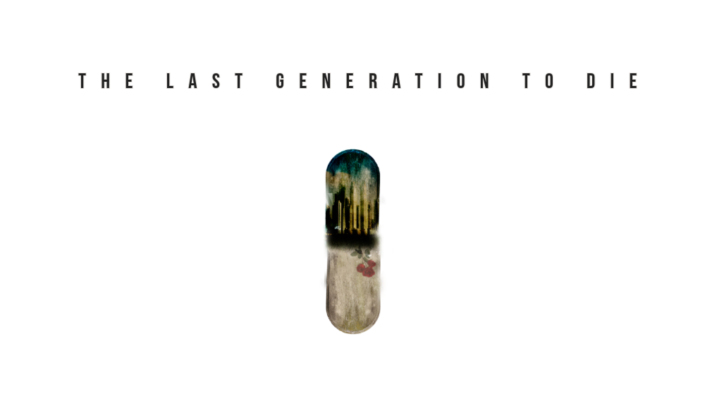
Filmmaker Tim Maupin is gaining attention for his project, The Last Generation to Die, which explores the implications of new rejuvenation technologies in a near-future setting. The film has made it to the top 65 of the Future Vision XPrize, a global contest aimed at showcasing optimistic visions for humanity's future. Maupin's story revolves around a scientist named Lily, who discovers a way to reverse aging, but faces a moral dilemma when her mother is excluded from the trial that could save her father.
This film matters because it highlights the potential benefits of emerging longevity technologies, which could help people maintain their health and vitality as they age. With the first biomedical repair therapies now entering human trials, the film raises important questions about access to these life-changing treatments. It reflects the real-world concerns of many individuals who want to ensure that advancements in health care are available to everyone, not just a privileged few.
Currently, the project is in the early stages of development, having previously been a short film that played at various festivals. Maupin's personal experiences, including the loss of his father and witnessing his mother's aging, have deeply influenced the narrative. While the film's premise is compelling, it's important to note that the technology depicted is still theoretical and not yet proven in real life. As the competition progresses, the film could gain more visibility and support, potentially leading to its production.
Maupin encourages viewers to engage with the film’s themes and support the development of rejuvenation technologies. By voting in the Future Vision XPrize, audiences can help bring this important dialogue about longevity and accessibility to the forefront.
References
This article is a plain-English summary of the reporting below. Full figures, methodology and caveats are in the original.